
In summary, the diagnosis of alcohol intolerance relies on a combination of symptom assessment, genetic testing for enzyme deficiencies, allergy testing, and clinical evaluation. Proper diagnosis can guide effective management strategies, mainly avoiding alcohol and related triggers. The key to accurate diagnosis is to combine test results with symptom alcohol intolerance symptoms tracking and personal history.

What Should I Do if I Experience Symptoms of Alcohol Intolerance?
Although everyone with celiac disease is sensitive to gluten, some people only experience skin symptoms without the common digestive symptoms (10, 11). Even “gluten-removed” beers, which use enzymes to break down gluten, can still contain fragments of the protein that trigger symptoms in sensitive individuals. At Smartblood, we often find that gluten and wheat are high-reactivity items for our customers.
Lifestyle Quizzes
When you come in contact with an allergen, your body starts an immune response by telling mast cells (a type of white blood cell) to release histamine. The level of histamine in fermented foods (such as kimchi and kefir) can vary based on preparation techniques and the length of aging. Sauerkraut, in particular, has been shown to contain a high concentration of histamine compared with other common foods. It’s difficult to measure histamine levels in foods because they can vary greatly even in the same types of food. However, a good rule of thumb is that foods that are fermented, aged, or overly processed likely contain more histamine than fresh foods.
Health Risks and Long-term Implications
On top of that, how intense these symptoms are can vary quite a bit from person to person. A few factors play into this, including genetics, the type of alcohol consumed, and how each individual metabolises alcohol. So, while one person might only feel a bit off after a drink, someone else could have a serious reaction, even after just a small amount. By being aware of these differences, you can better recognise how your body reacts and make more informed choices about drinking. Individuals may also explore alternative alcoholic beverages or nonalcoholic options that they can tolerate. They may also find that eating certain foods, taking supplements, or exercising may help with their reaction.
Support for Alcohol Intolerance
These substitutes can enhance their overall quality of life and enable them to enjoy social gatherings without compromising their well-being. The symptoms of alcohol intolerance include a red, flushed face, neck, and chest, nausea, vomiting, a stuffy nose, diarrhoea, fatigue, and a throbbing headache. Unlike allergies, this isn’t about the immune system at all—it’s really about how your body processes alcohol. Many people with alcohol intolerance have a deficiency in an enzyme called aldehyde dehydrogenase 2 (ALDH2).
Iron deficiency anemia
Wheat allergy is a type of food allergy that may cause skin rashes, digestive issues, nasal congestion, and anaphylaxis. In some cases, a person with a wheat allergy having nasal symptoms can develop baker’s asthma, a type of occupational asthma caused by frequently breathing in bread flour (71, 72). In one 2020 study, it affected 48% of participants with non-celiac gluten intolerance. This may be caused by a reaction to certain antibodies in gluten though the exact reason is unknown (51, Sober living house 63). People with gluten sensitivity also seem more likely to experience arm and leg numbness.
- Clinicians must assess medication history thoroughly to ensure valid test interpretation and accurate diagnosis of histamine intolerance.
- It is the initial step in overcoming addiction and paving the way for a healthier, substance-free life.
- If you react strongly to alcohol, but have a hard time reducing your drinking, Ria Health can help.
- The Recovery Village Columbus offers comprehensive addiction treatment for drug and alcohol addictions and co-occurring mental health conditions.
Alcohol intolerance causes acetaldehyde to build up in your bloodstream, ultimately causing unpleasant symptoms. If you have alcohol intolerance, you may want to look for drinks that are less likely to trigger your symptoms. Clear spirits like vodka and gin, especially when mixed with plain water or something gentle, are often easier on the stomach for many people. You could also consider low-sulfite or organic wines since they have fewer preservatives that might make symptoms worse. Just remember to take it slow and try out different options to see what works best for you.
If they do not have an epinephrine injection to treat anaphylaxis right away, it could be fatal. If someone has a true allergy to alcohol, they should avoid the substance entirely. People with alcohol intolerance could still consume alcohol, although they will likely experience side effects.
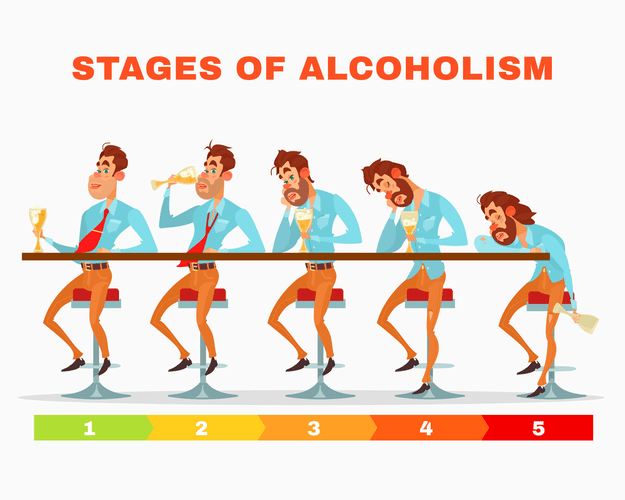

Chronic exposure to high levels of acetaldehyde could contribute to long-term health risks, including certain cancers. People often use the terms “alcohol allergy” and “alcohol intolerance” interchangeably. While they may share some signs, they are fundamentally different conditions with distinct causes and health implications. Understanding the difference is key to recognizing symptoms and seeking proper treatment. If you develop alcohol intolerance, you will need to avoid alcohol as much as possible to limit your symptoms.
- While both can make enjoying certain drinks a challenge, they stem from different causes and come with different symptoms.
- It can be challenging to “treat” alcohol intolerance since that usually means avoiding alcohol.
Understanding personal limits and seeking medical advice when necessary is crucial for effective management. The most effective way to manage alcohol intolerance involves specific lifestyle changes, with complete avoidance of alcohol being the primary step. This also includes being mindful of alcohol in foods and over-the-counter products. Alcohol intolerance is primarily driven by genetic factors, specifically a mutation affecting the enzyme aldehyde dehydrogenase 2 (ALDH2). This enzyme is crucial for metabolizing acetaldehyde, a byproduct of alcohol digestion.
Step 2: Identify patterns (before testing)
They https://ecosoberhouse.com/ contribute to the unique profiles we enjoy, but there’s a catch—studies suggest that congeners can amplify the symptoms of alcohol intolerance, making hangovers more severe. This means you might experience more intense headaches, nausea, and a general feeling of malaise the following day. Now, sometimes, due to genetic variations, those genes can kick into high gear, making acetaldehyde build up in your system faster than usual. When acetaldehyde levels rise too high, it can trigger uncomfortable symptoms.